
The Scientists Behind Gene Therapy for Sickle Cell Just Won Science’s Biggest Prize
Every approved gene therapy for sickle cell disease traces back to a single discovery: a gene called BCL11A that acts as a switch, silencing the healthy fetal form of hemoglobin shortly after birth. Turn that switch back off, and the body starts making protective fetal hemoglobin again — even in adults with sickle cell disease.
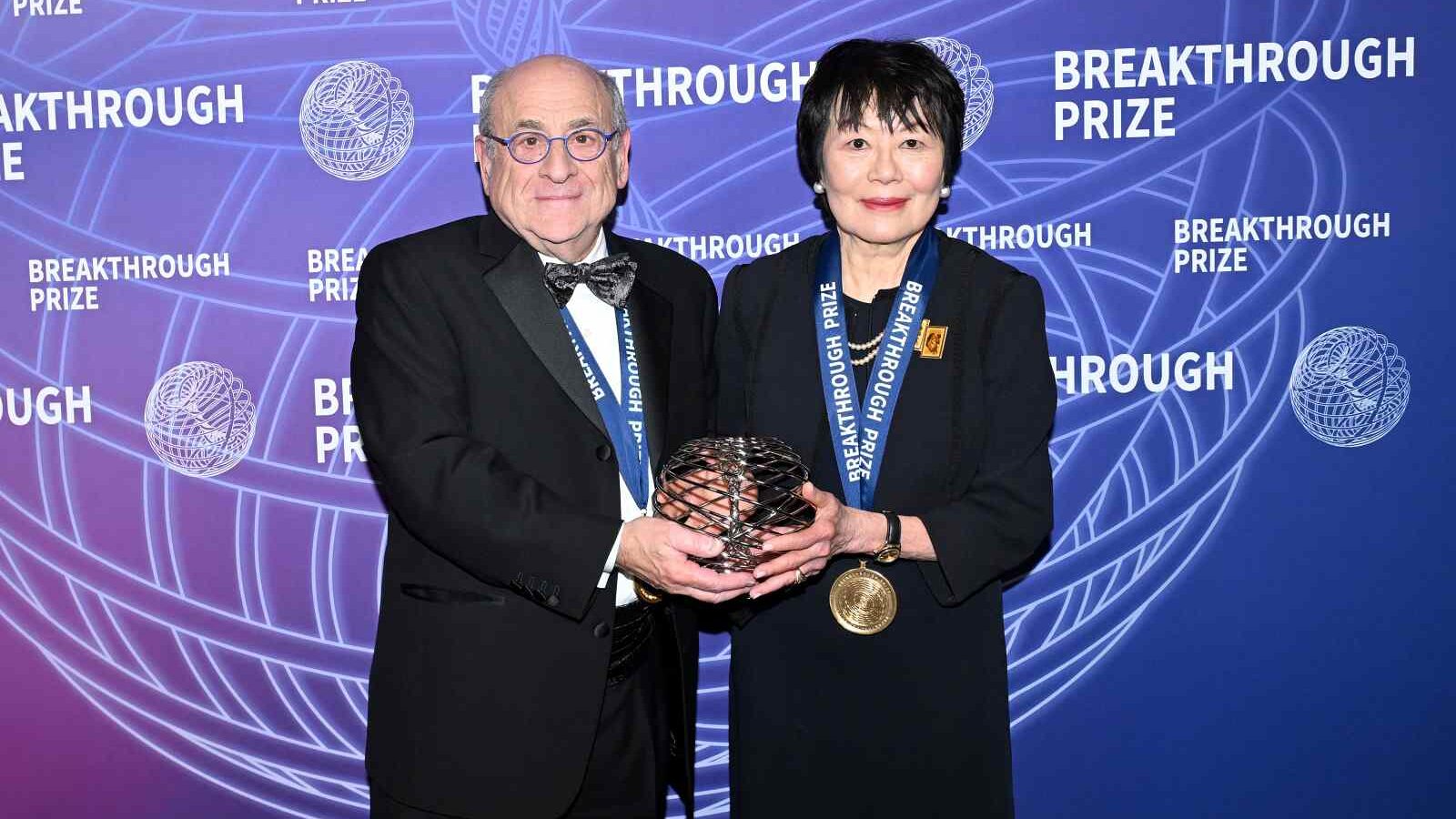
That discovery is why Dr. Stuart Orkin of the Dana-Farber/Boston Children’s Cancer and Blood Disorders Center and Dr. Swee Lay Thein of the National Heart, Lung, and Blood Institute were named winners of the 2026 Breakthrough Prize in Life Sciences, a $3 million award sometimes called the “Oscars of Science.” Their combined decades of research into how the body regulates hemoglobin production laid the groundwork for Casgevy, the first CRISPR-based therapy approved for sickle cell disease and beta-thalassemia.
What this means for patients
For the BHASNet community, the practical significance goes beyond the award itself. Casgevy and similar gene-editing treatments work by editing a patient’s own stem cells outside the body to switch fetal hemoglobin back on, then reinfusing them — offering something close to a functional cure rather than lifelong symptom management. But access remains a real barrier: the treatment currently requires specialized transplant centers, a lengthy process, and significant cost, meaning it’s out of reach for the vast majority of the estimated 6 to 9 million people living with sickle cell disease worldwide, most of whom are in Africa and India.
Researchers elsewhere are already working on the next problem: making gene editing cheaper and easier to deliver. Teams at UC Berkeley, for instance, are developing streamlined delivery methods aimed at moving treatment beyond a handful of specialized hospitals and toward broader, more equitable access.
For now, the Breakthrough Prize is a reminder of how far basic science has come — from a genetic mechanism discovered in a lab to a therapy already changing lives — and how much work remains to make that therapy reachable for everyone who needs it.